Field report · · AgentConn Team
Skills Directories Compared: mattpocock vs Codex vs pi-mono
mattpocock/skills (+5,551), awesome-codex-skills (+637), pi-mono (+949): coverage, license, governance side-by-side. Pick the one for your stack.
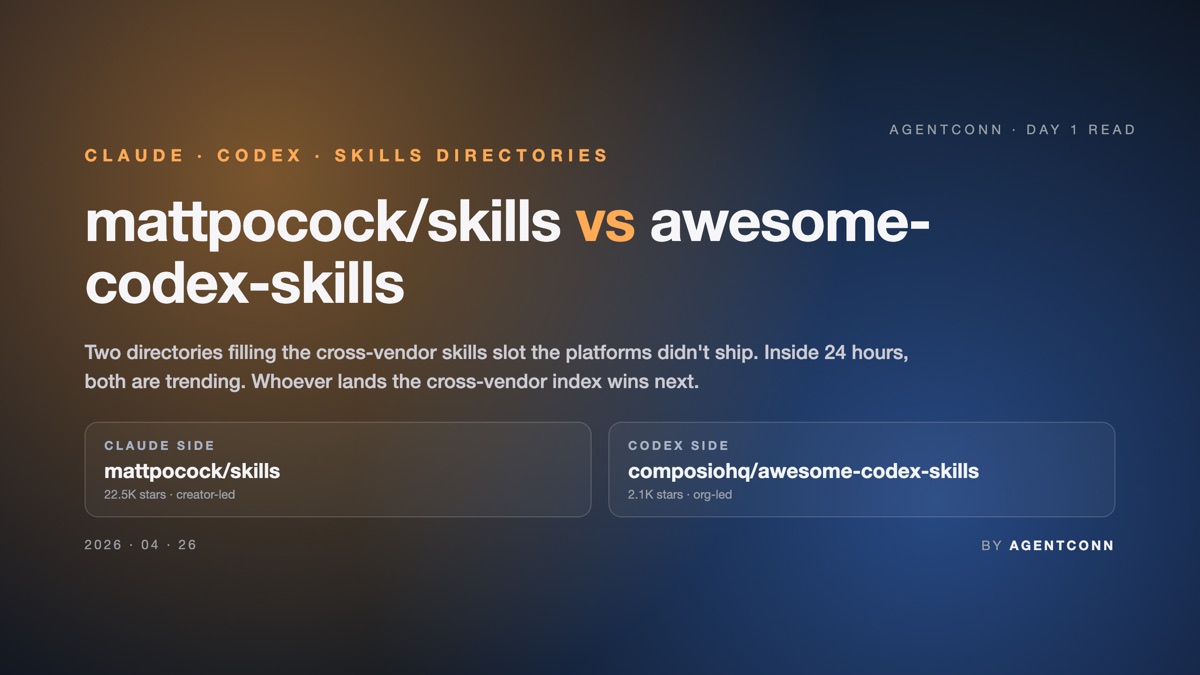
Three days ago, the only skills directory anyone talked about was mattpocock/skills — Matt Pocock’s personal .claude/ folder, dumped into a public repo, and now sitting at 28,535 GitHub stars after a +5,551 day. Today there are three serious contenders, and the gap between them is no longer “who has the most stars.” It’s about which agent stack each one was built for, and the answer matters because the directories are not interchangeable.
This piece is the side-by-side. We’ll walk through mattpocock/skills (Claude Code-native, +5,551 day-3), ComposioHQ/awesome-codex-skills (Codex-native, +637 day-2), and badlogic/pi-mono (harness-native, +949 day-3) — then tie them back to the broader harness asset class that’s compounding around them: cc-switch, Beads, sub2api, and Dirac.
If you read yesterday’s piece on the mattpocock-vs-Composio cold war, this is the wider lens: the directory — not the model, not the harness — has become the asset class everyone is racing to define before the platforms ship first-party versions.
Why “skills directories” became a category in 72 hours
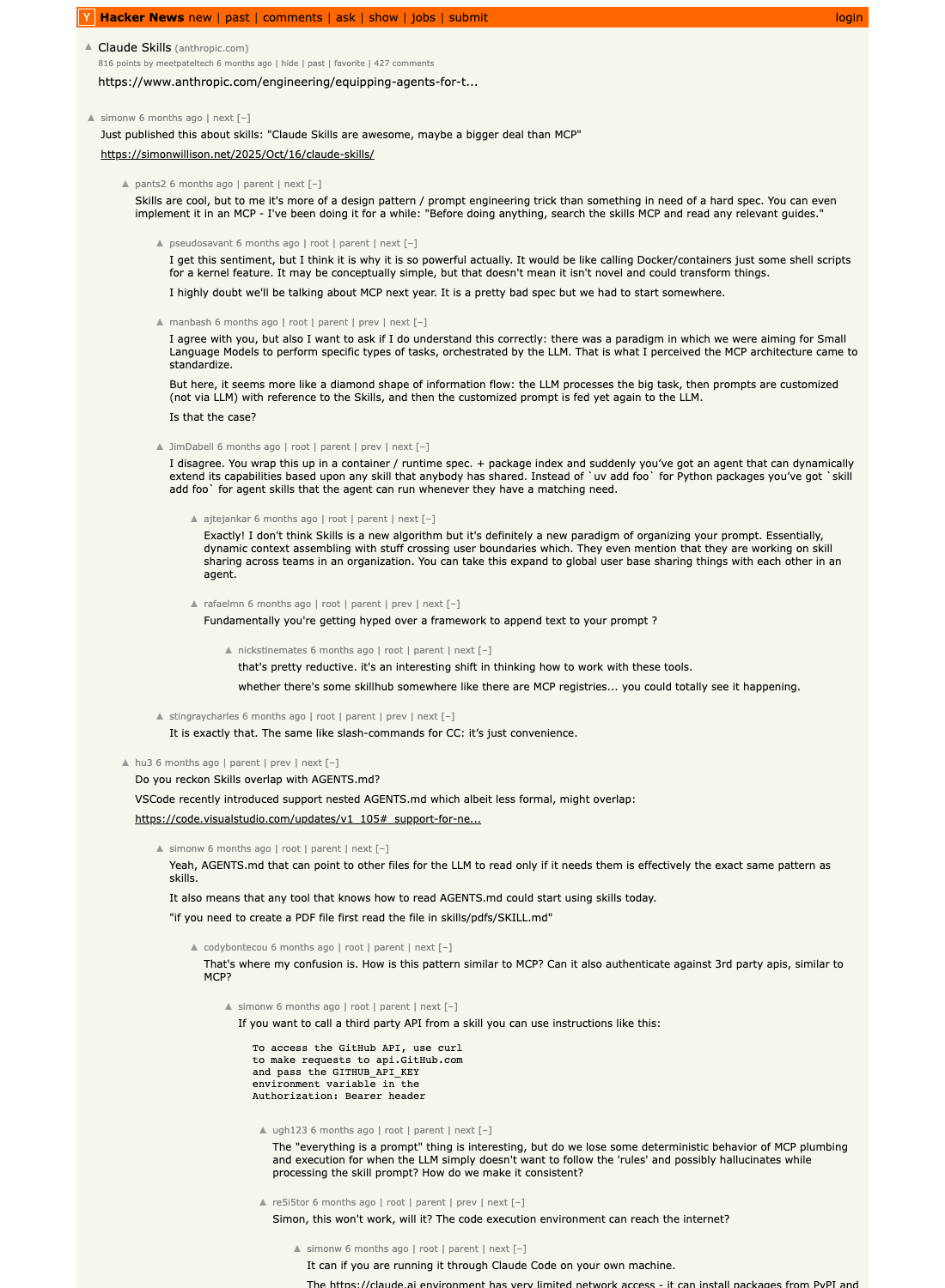
The trigger was structural. Last Friday, Simon Willison surfaced a Romain Huet quote confirming that OpenAI is collapsing the Codex product line into the main GPT-5.5 surface — no separate coding model, no first-party Codex skills repo, nothing for third parties to wait on. The same week, Anthropic’s Claude Code shipped its skills format with no canonical directory of community skills. Two of the three frontier vendors handed the registry layer to whoever could grab it first.
Then on Sunday, Microsoft and OpenAI ended their exclusive revenue-sharing deal (384 HN points, 330 comments). Within hours, GitHub Copilot subscribers got emails saying pricing was moving to usage-based billing. The top HN comment captured the mood:
“Just got an email from GitHub saying they’ll be raising prices for Co Pilot. To keep up with the way you use Copilot, we’re transitioning to usage-based billing… Man, it was fun. Having my tokens subsidized by Microsoft.”
When the platforms become hostile to bundled pricing, the third-party tooling layer becomes the user’s default home. Skills directories are the most visible part of that layer: they’re the catalog you browse, the URL you bookmark, the format you compete with.
.claude/ (or your .codex/, or your harness configs) as a flat repo, give it a name that signals the format, point readers at it from one influential thread, and accept whatever community PRs come in. mattpocock did it Thursday. Composio did it Friday. By Sunday both were on the GitHub trending top-10 with no marketing spend.
Side-by-side: the three directories
Here’s the comparison matrix, then a per-repo breakdown.
| Dimension | mattpocock/skills | awesome-codex-skills | pi-mono |
|---|---|---|---|
| Stars (day-3) | 28,535 (+5,551) | 2,603 (+637) | 41,483 (+949) |
| Primary stack | Claude Code | Codex CLI / GPT-5.x | Multi-harness, framework-agnostic |
| Format | .claude/skills/* dirs | Awesome-list of skill repos | Full toolkit + skill packaging |
| Governance | Single maintainer (Matt Pocock) | Org-backed (Composio) | Single maintainer (Mario Zechner) |
| License | MIT | MIT | MIT |
| Skill discovery | Browse the repo tree | Curated index with descriptions | Built-in registry + CLI |
| Day to use | Drop into ~/.claude/skills/ | Clone listed sub-repos | npm install + config |
| Best for | Solo Claude Code users | Codex users + reference | Teams running multiple agents |
1. mattpocock/skills — the format-setter
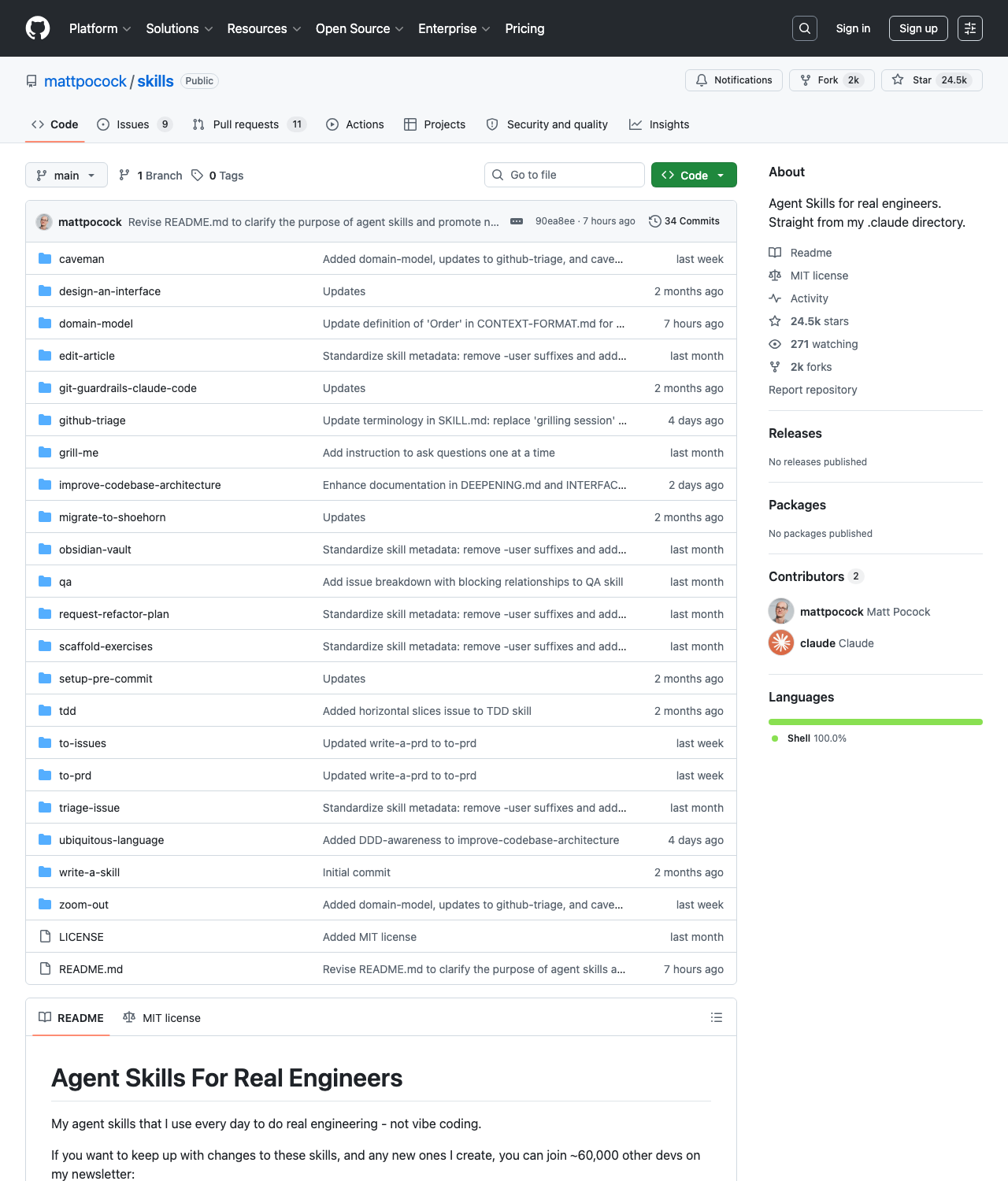
Matt Pocock’s repo is the simplest of the three and the most accelerating. It’s a flat dump of the .claude/skills/ folders he uses for his own consulting work — covering TypeScript code review, ESLint config generation, API testing patterns, and a couple dozen other workflows. Day-1 to day-2 was +2,507 stars. Day-2 to day-3 was +5,551. The acceleration is real, not noise.
The format is what’s getting copied. Each skill is a folder with a SKILL.md file describing trigger conditions and steps, plus optional helper scripts. Drop the folder into your ~/.claude/skills/ directory and Claude Code’s skill discovery picks it up automatically. There’s no plugin install, no registry handshake, no build step.
What it’s not: a curated index. There’s no taxonomy, no tagging, no per-skill description in a top-level README. If you want to find “the right skill for refactoring React components,” you have to read folder names and grep. For solo developers running Claude Code on a single machine, this is fine — you copy what you need, ignore the rest. For teams trying to standardize, it’s a starting point you’ll need to fork and prune.
2. ComposioHQ/awesome-codex-skills — the index, not the skills
Composio’s repo is shaped differently. It’s an awesome-list — a curated README pointing to other repos that ship Codex-compatible skills, organized by category (testing, refactoring, documentation, deployment). Composio doesn’t host the skills themselves; they host the index.
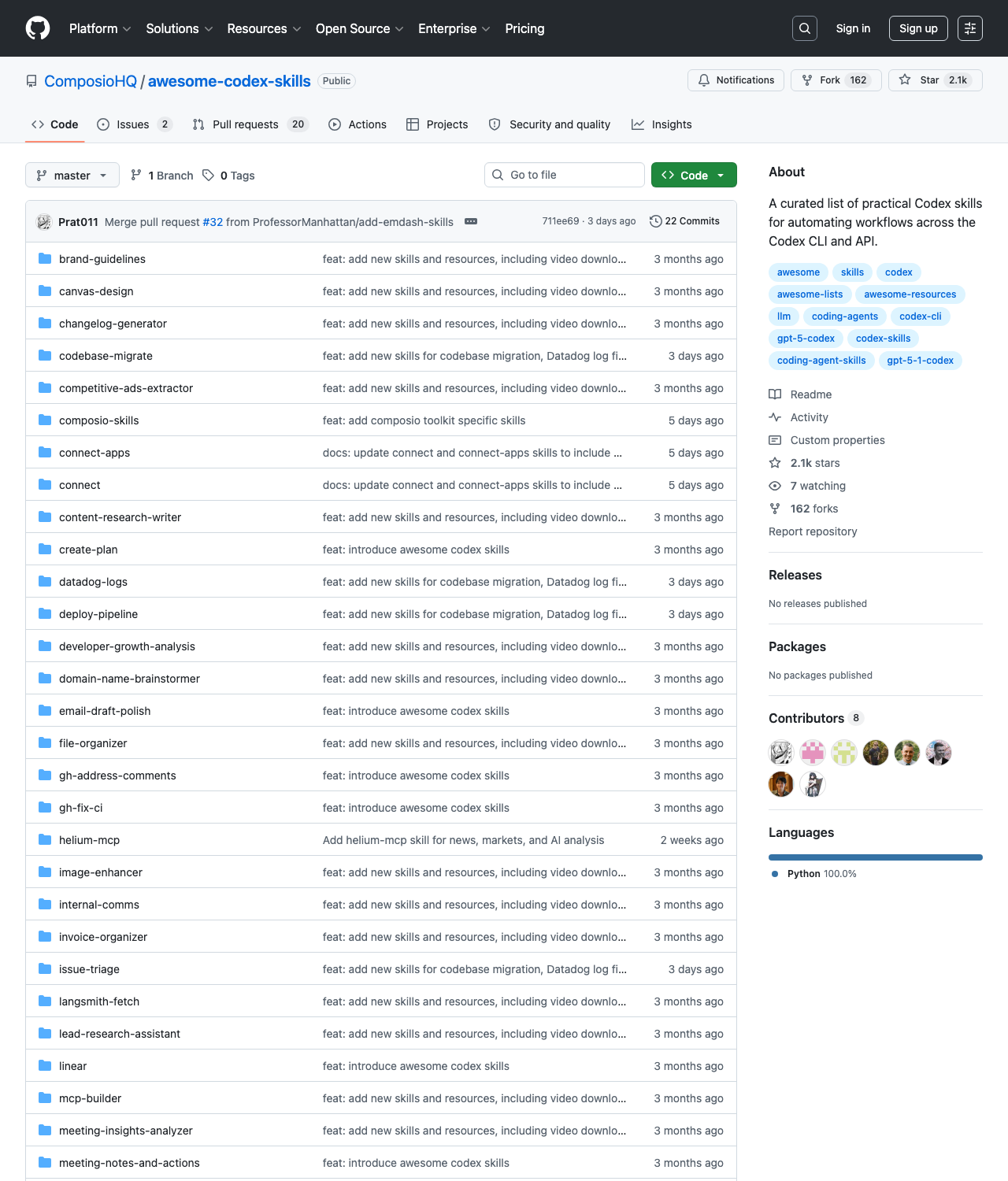
This is the more defensible play. mattpocock/skills could be replaced tomorrow if Anthropic ships a first-party directory at claude.ai/skills. An awesome-list, by contrast, becomes the SEO-anchored landing page for “Codex skills” — the place new users find when they search, the page maintainers link to from their own READMEs. It compounds the way awesome-python compounded: not by hosting code, but by being the canonical taxonomy.
The +637 day-2 number undersells the strategic position. Composio is staking the registry pattern for Codex precisely as OpenAI confirms it won’t ship a first-party one. By the time anyone notices, the awesome-list will have a year of inbound links and a dozen contributing maintainers.
3. badlogic/pi-mono — the harness that ships its own skills
Mario Zechner’s pi-mono is the third path. It’s not a directory of skills — it’s a full-stack agent toolkit with a built-in skill registry, a CLI for installing them, and a packaging format that’s neither Claude Code nor Codex specific. Day-3 gain: +949 stars on top of +541 → +533 on prior days. Compounding, not flatlining.
The thesis is different from the other two. mattpocock/skills assumes you’ve already picked Claude Code and want better defaults. awesome-codex-skills assumes you’ve already picked Codex and want a starting catalog. pi-mono assumes you haven’t picked, or that you’re running multiple harnesses and want one skill format that works across them.
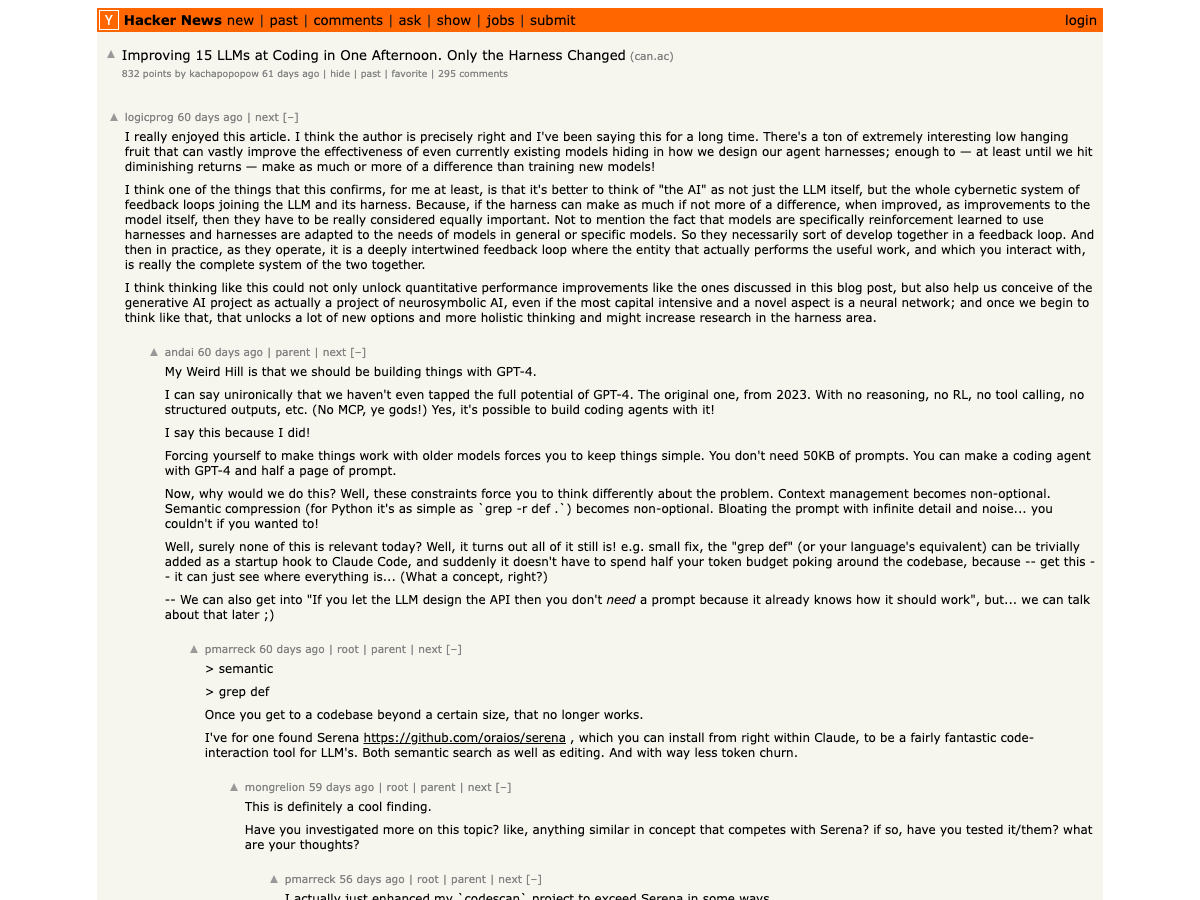
This pairs directly with the Dirac result that landed on HN today — an OSS agent that jumped Gemini-3-flash-preview from 48% to 65% on TerminalBench (+17 percentage points) by harness alone. The model didn’t change. The skills didn’t fundamentally change. The wrapper around them did. That’s the data point pi-mono is built around: if the harness is the product, then the skill format needs to live in the harness, not in vendor-specific directories.
The wider asset class: harness-layer repos compounding in parallel
These three directories aren’t appearing in isolation. Today’s GitHub trending board reads like a roster of harness-layer infrastructure, all compounding the same week:
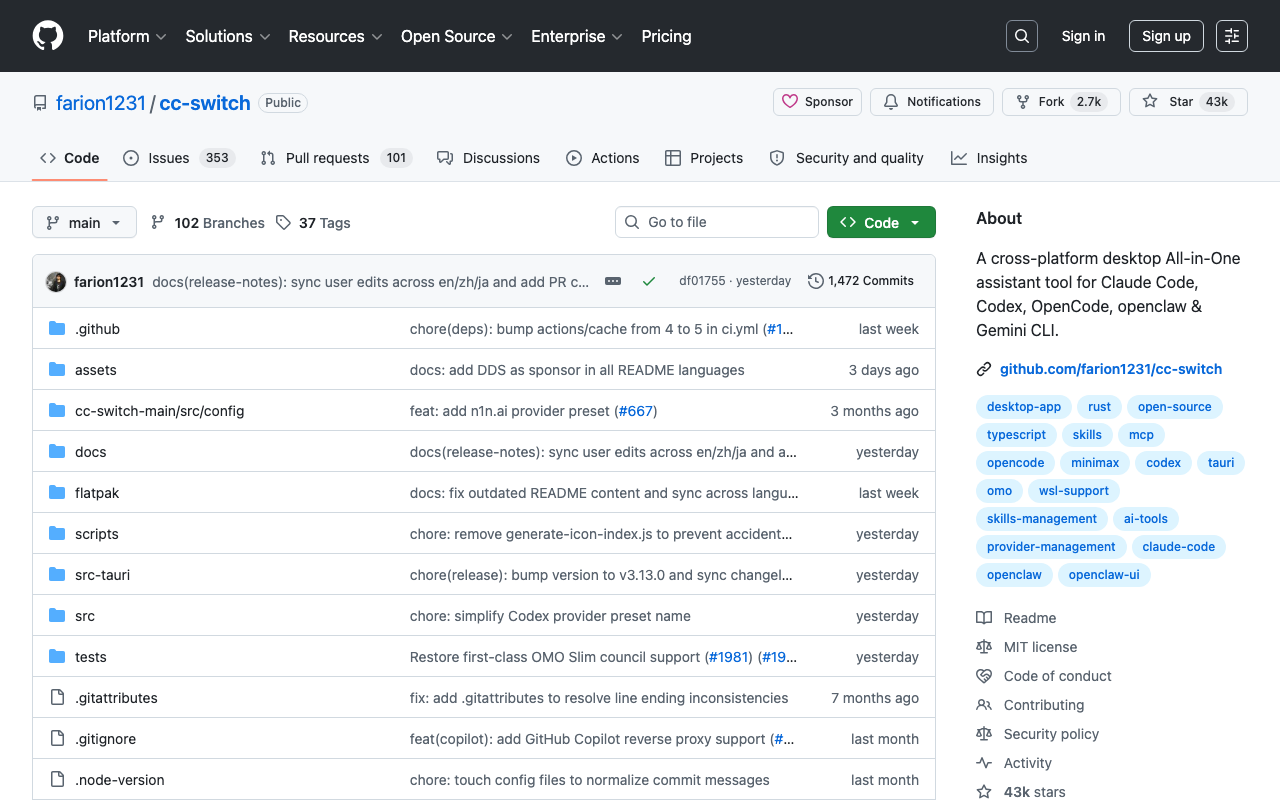
- cc-switch — +892 stars day-4 (52,758 total). Cross-platform multi-agent switcher for Claude Code, Codex, OpenCode, OpenClaw, Gemini CLI. Sustained four-day trend = users running multiple harnesses, not picking one. We covered the mechanics in cc-switch: One App for All Your AI Coding CLIs.
-
Beads — +485 stars (22,079 total). “Memory upgrade for your coding agent.” Persistent memory primitive that works across Claude Code, Codex, and any harness that can call it. Pairs with the skills layer: skills are what the agent does, Beads is what it remembers about doing it.
-
sub2api — +454 stars day-2 (16,117 total). Subscription-to-API proxy that bundles Claude/OpenAI/Gemini/Antigravity tokens into one virtual endpoint. Direct response to the same Microsoft–OpenAI rev-share severing that’s pushing GitHub Copilot to usage-based billing — when bundled pricing dies, multi-vendor token pooling becomes a workflow primitive.
-
Dirac — 212 HN points today. The proof point that the harness, not the model, is doing the heavy lifting on benchmark gains.
-
Tendril — 46 HN points. Self-extending agent that builds and registers its own tools. The layer above skills: agents that generate their own skill registry entries based on what they encounter.
The pattern is consolidating fast. The model leaderboards exist. The harness leaderboards don’t — yet. Within the quarter, someone is going to publish “the harness for Codex” and “the harness for Claude Code” rankings, and they’ll cite all six of these repos in the methodology.
Decision tree: which directory should you actually use?
Skip the “best of” framing. The three directories are designed for different constraints. Here’s how to pick.
If you’re running Claude Code on a single laptop:
Use mattpocock/skills. Clone the repo, copy the skills/ folders you want into ~/.claude/skills/, restart Claude Code. You’ll get usable defaults for TypeScript, testing, refactoring, and review workflows in under five minutes. Don’t fork the whole thing — you’ll inherit Matt’s preferences for things you don’t care about. Cherry-pick.
The cost: you’re locked into one maintainer’s taste. The benefit: zero migration friction. If Anthropic publishes a first-party directory next month, you delete the cloned files and switch.
If you’re committed to Codex / GPT-5.x and want a reference catalog:
Use ComposioHQ/awesome-codex-skills. Don’t expect to install everything — read the index, find the 3-4 skills relevant to your work, clone those individually, and contribute back if you build something worth sharing. The value of an awesome-list is the editorial curation, not the breadth.
The cost: each linked repo has its own install path, its own maintainer, and its own update cadence. The benefit: you’re using the format that aligns with where OpenAI is going (everything-in-one-model), and you’ll find skills that mattpocock/skills won’t have because they’re Codex-specific.
If you’re running multiple harnesses or building agents for a team:
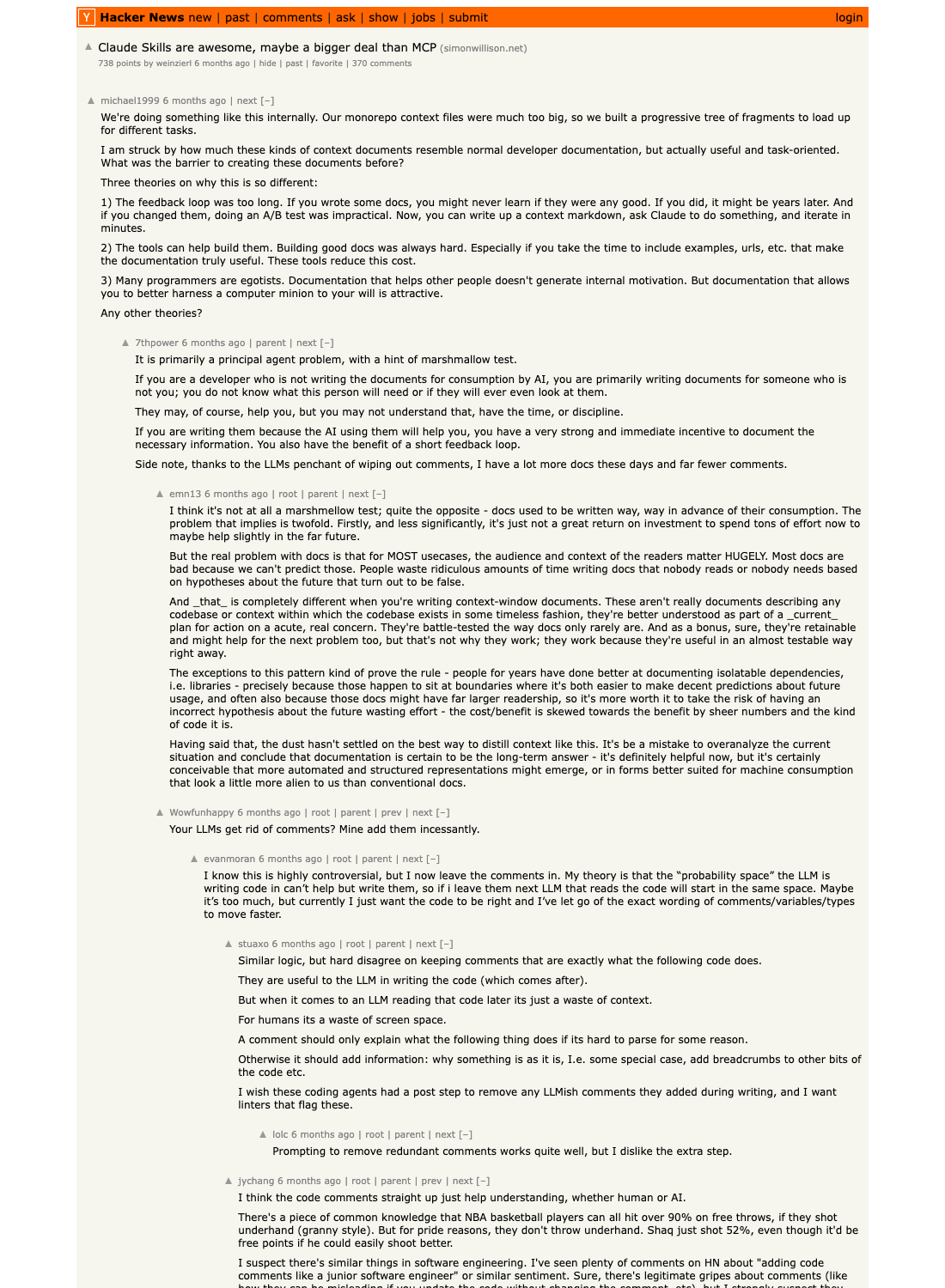
Use pi-mono. The CLI, registry, and packaging format are designed for the case where “skill” needs to mean something portable across Claude Code, Codex, and self-hosted setups. Pair it with cc-switch for the configuration layer and Beads for the memory layer.
The cost: you’re betting on a single maintainer and a non-vendor-blessed format. The benefit: the only directory of the three that makes sense if you don’t know which model you’ll be using in six months.
If you’re shipping production agents and need governance:
Honestly? None of the three. Wait two quarters. The directories are early enough that the breakage rate on community-contributed skills is real, and none of them have signed-skill or supply-chain attestation yet. For production work, fork the subset you need into your own repo, audit each skill, and pin versions. The directories are useful as a discovery surface, not a dependency tree.
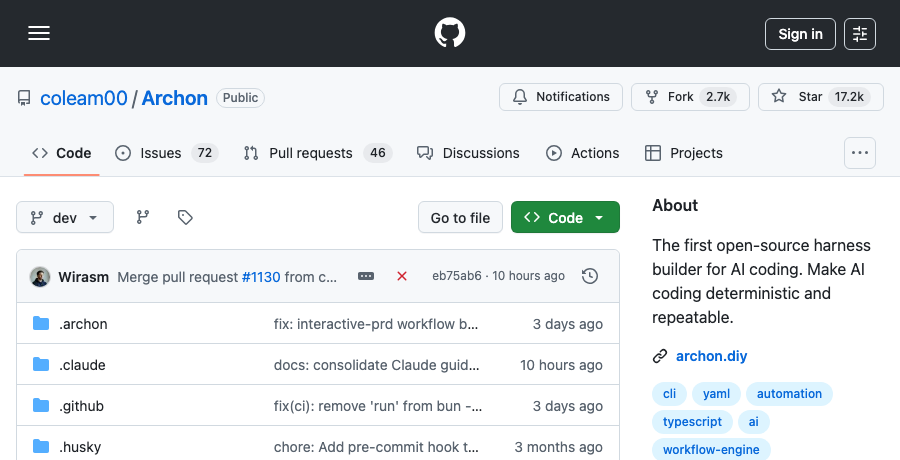
This is the same reasoning we walked through in Archon Review: determinism in the agentic stack still has to come from your side of the pipe. The directories are inputs to your harness, not the harness itself.
What community is saying
The HN thread on Dirac (+17pp on TerminalBench by harness alone) crystallized the conversation:
“Same model, different harness, +17 points on a hard benchmark. This is exactly why the model name on top of your agent matters less than people think.”
The Composio repo’s PR queue shows the format-war dynamic in action: contributors are submitting Codex skills and Claude Code skills to the awesome-list, and the maintainers are rejecting Claude-only ones — the directory is staking its position by what it refuses to index, not just what it includes. mattpocock/skills, by contrast, has accepted forks that ported its skills to Codex format, signaling “the format we want to win is the underlying pattern, not the runtime.”
The pi-mono README addresses both camps directly. Mario Zechner’s framing: “Skills are how your agent gets better. Harnesses are how your agent doesn’t get worse. You need both.” That’s the cleanest articulation I’ve seen of why this layer compounded so fast — the skills directory and the harness are two halves of the same primitive, and the platforms shipped half of each and let third parties race to fill in the rest.
What to watch over the next two weeks
Three things will tell you which directory is winning:
-
Anthropic’s first-party announcement. If Anthropic ships a
claude.ai/skillsregistry inside the next two weeks, mattpocock/skills’s star count will keep climbing (it becomes “the seed repo”) but its strategic value collapses. If Anthropic stays silent through May, mattpocock/skills consolidates as the de facto registry and Composio’s awesome-list approach looks vindicated. -
The first cross-platform skill compatibility tooling. The first repo that publishes “convert mattpocock-format skills to Codex skills automatically” wins by default — they become the bridge layer, and pi-mono either absorbs them or competes with them. Watch cc-switch’s skills pane and pi-mono’s import command.
-
Whether GitHub publishes its own. GitHub already hosts the repos. If Microsoft (now decoupled from OpenAI revenue-sharing per today’s HN #1) ships an official “GitHub Skills” directory tied to Copilot, the entire third-party layer gets squeezed. The Copilot pricing pivot to usage-based suggests Microsoft is already thinking about the developer surface differently.
Bottom line
The skills directory race tripled in 72 hours not because three teams happened to launch in parallel, but because the platform layer abdicated three categories at once — Claude Code’s missing registry, Codex’s collapsed product line, and Microsoft’s rev-share split with OpenAI. mattpocock/skills won the format war for Claude Code by being first and Shell-simple. ComposioHQ won the index war for Codex by picking the awesome-list pattern that compounds via inbound links. pi-mono won the harness war by refusing to pick a model.
For most readers: pick the directory that matches the harness you already use. Don’t over-think it. The directories are early enough that switching cost is one git clone and one folder copy. The infrastructure underneath — cc-switch for configuration, Beads for memory, sub2api for token pooling, Archon-style harness builders for determinism — is where the durable bets live.
The directories are the front door. The harness is the house.