Field report · · AgentConn Team
How Block's Goose Agent Replaced 40% of Its Engineering Team
Block cut 40% of its workforce and hit its best quarter ever. Goose, their open-source AI agent, made it possible. Here's how it works.
How Block’s Goose Agent Replaced 40% of Its Engineering Team
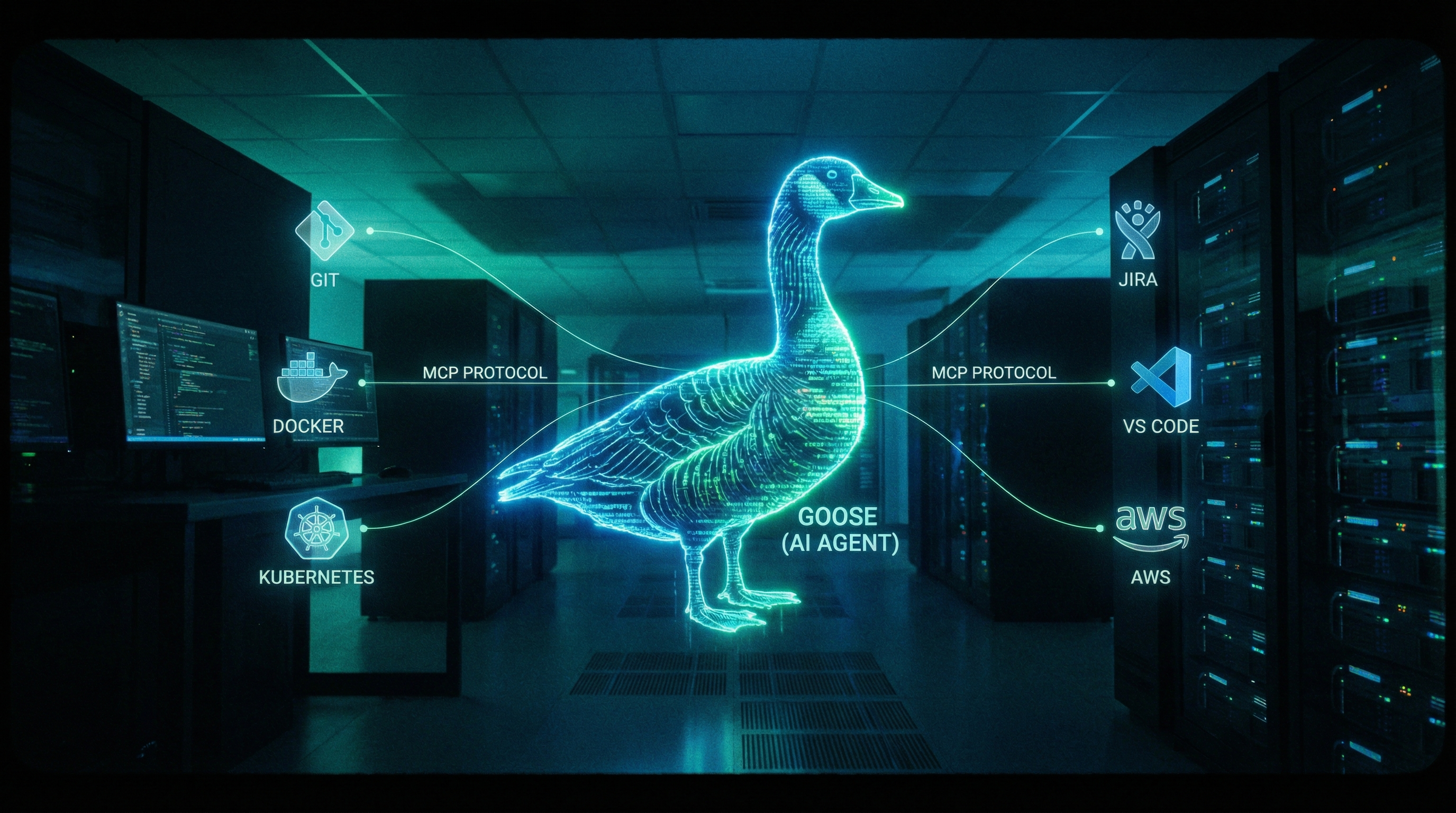
In February 2026, Jack Dorsey cut nearly half of Block’s workforce — 4,000 jobs, headcount dropping from 10,000 to fewer than 6,000. The same day, Block reported its best quarter in company history. The stock jumped 23%.
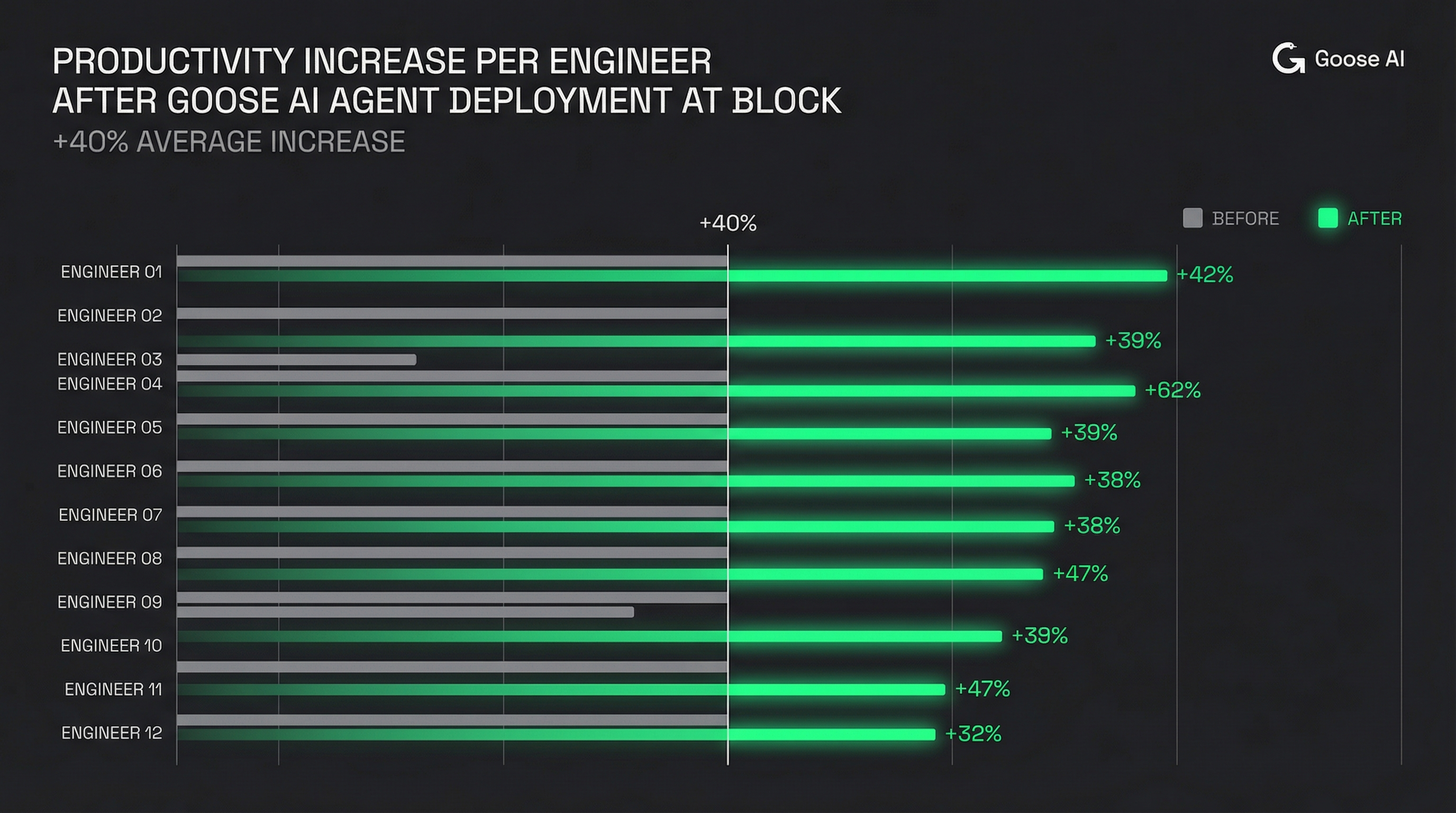
The agent Dorsey pointed to: Goose, an open-source AI agent Block had been quietly building and deploying internally for 18 months before the announcement. In the Fortune exclusive interview, CFO Amrita Ahuja explained the math: “Since September, developer productivity at Block has improved with a 40% increase per engineer use of AI tools to push code and features to production faster.”
This is the case study every engineering leader will be asked about this quarter. Here’s what Goose actually is, what it automated, where it falls short, and what the pattern looks like for teams that want to replicate it.
The Industry Reaction
The announcement sent shockwaves through tech. Dorsey tweeted the full memo
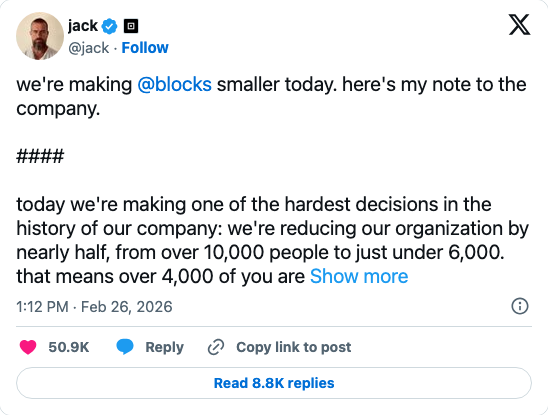 , and the reaction was immediate — a mix of shock at the scale and grudging acknowledgment that this was coming.
Fortune’s analysis noted that Dorsey framed the cuts not as cost reduction but as a structural shift: “Intelligence tools have changed what it means to build and run a company.” CNN reported that Dorsey predicted most companies would make similar cuts within the next year.
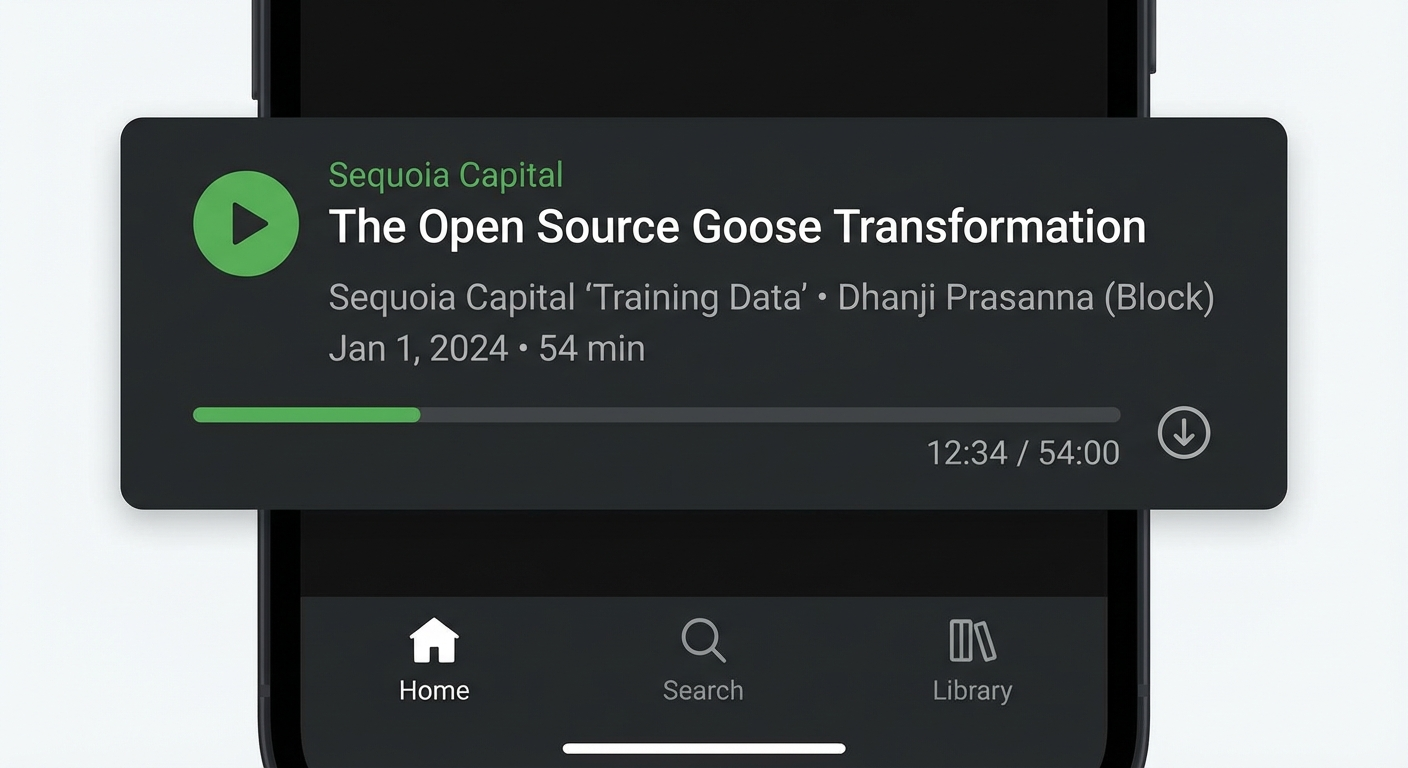
The Sequoia Capital podcast with Dhanji Prasanna (Block’s VP of Engineering) detailed how Goose went from an engineering experiment to a company-wide platform. Prasanna described the shift as going from “AI as a tool” to “AI as a teammate.”
Inc. Magazine highlighted that one line in Dorsey’s memo stood out above all others: “I think most companies are late.” The HumaI blog called it “the most consequential single sentence in AI business history.”
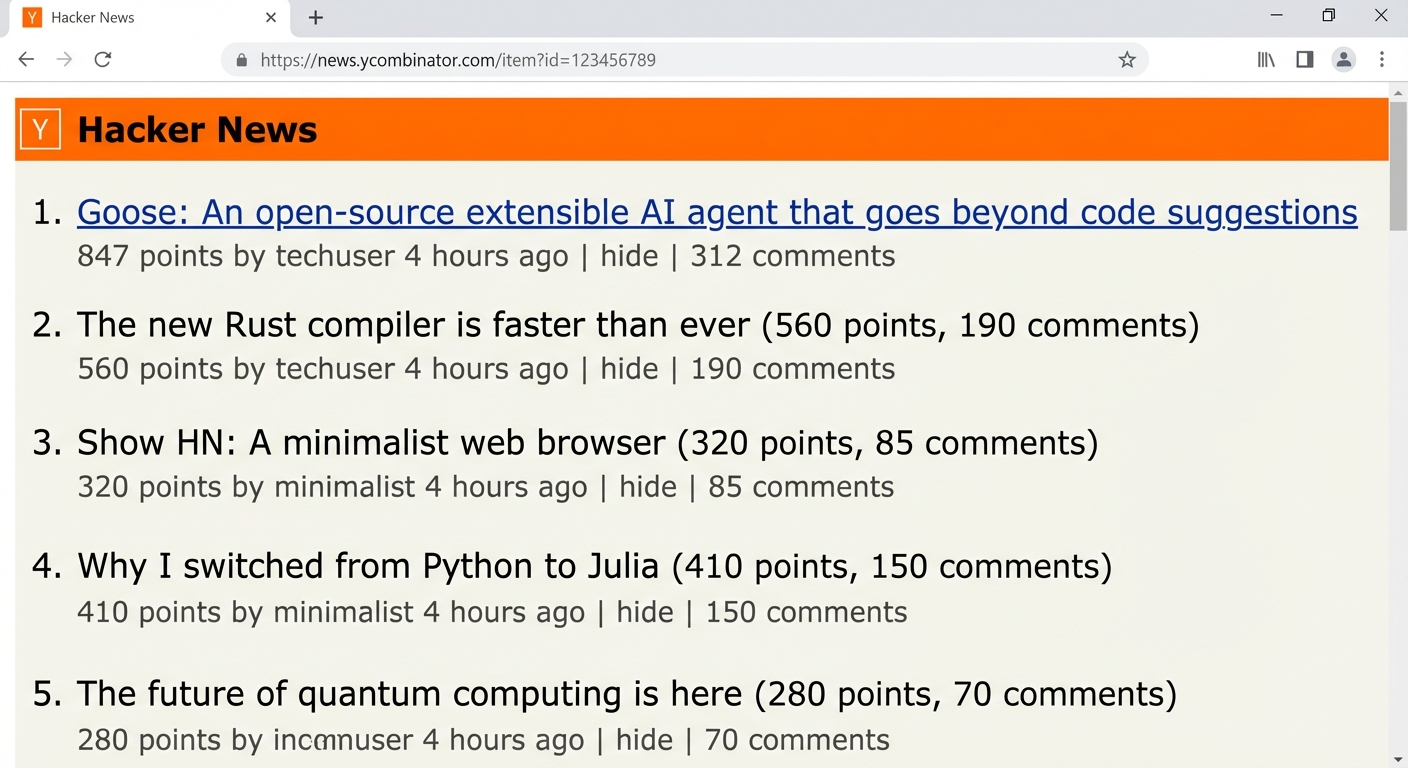
The Hacker News thread on Goose’s open-source release drew hundreds of comments, with developers debating whether Block’s approach was replicable or unique to their fintech domain. Meanwhile, TheStreet reported that Block quietly began rehiring — but for very different roles focused on AI infrastructure and agent management.
Why this story matters: Goose added 1,514 GitHub stars in a single day after the announcement, reaching 38.9k total. Import AI, GitHub Trending, and AI YouTube all covered it simultaneously — with zero existing search coverage on “Block Goose AI agent.” This is a first-mover story.
What Goose Is
Goose is a general-purpose AI agent that runs locally on your machine (desktop app, CLI, or API). It was built at Block by engineer Brad Axen — the name is a reference to Top Gun — and developed by a team of six to seven engineers under CTO Dhanji Prasanna.
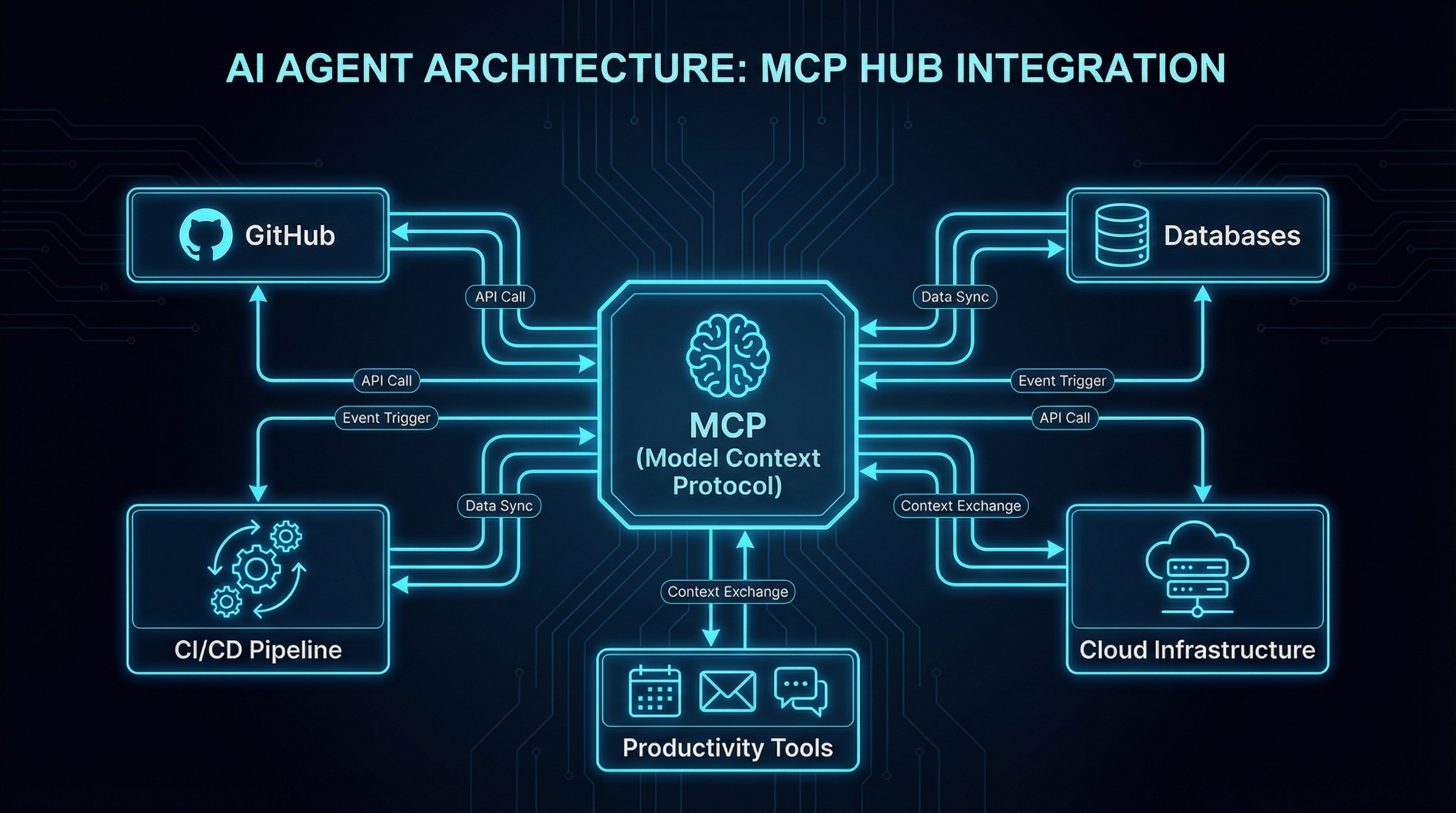
The core architecture: Goose connects to your existing enterprise tools through the Model Context Protocol (MCP), enabling it to orchestrate multi-step workflows autonomously. It’s not a coding assistant that makes suggestions. It’s an agent that executes.
A concrete example from Prasanna’s Sequoia Training Data interview: tell Goose to “build a marketing report of Q3 results” and it queries Snowflake, generates charts, and delivers a PDF or Google Doc. The human approved the task. Goose handled the rest.
Key technical details:
- Built in Rust for performance
- 15+ AI provider backends — Claude, GPT-4, Gemini, Qwen, Ollama, OpenRouter, Azure, Bedrock, and more
- 70+ extensions via MCP — connects to databases, APIs, cloud infrastructure, productivity tools
- “Recipes” system — users save and share reusable workflows across the organization
- Graduated autonomy — “make-me-in-the-loop” mode for approval gates on destructive actions; fully autonomous mode for trusted workflows
What Block Actually Automated
The 40% headline is the loudest number, but the operational story is more instructive.
Engineering workflows:
Engineers at Block report saving 8–10 hours per week with Goose. The bulk of those savings come from the task categories that consume developer time without requiring developer judgment: writing boilerplate, running test suites, generating documentation, setting up local environments, and wiring together configuration that’s mechanical but tedious.
The compounding effect is what matters. A senior engineer who reclaims 8 hours per week isn’t doing 8 hours less work — they’re doing 8 hours more of the work that actually requires their expertise.
The risk model example: Ahuja highlighted a specific case in the Fortune interview: “One risk underwriting model that previously took a full quarter to build was completed in a fraction of the time with these tools.” This is the category that matters most — not the hours saved on routine tasks, but the compression of cycles on high-value, high-complexity work.
Across the entire company:
Goose is not an engineering-only tool at Block. Prasanna noted that the majority of Block’s company now uses it alongside other AI tools. Non-technical employees are building dashboards and internal sites. Dorsey himself built the initial version of Bitchat using Goose. Perhaps most striking: Goose wrote the vast majority of its own codebase through recursive bootstrapping — the agent building itself.
The Productivity Math
Block has been publishing the internal metrics they track:
| Metric | Value |
|---|---|
| Developer productivity increase (since Sept 2025) | +40% per engineer |
| Hours saved per engineer per week | 8–10 hours |
| Target time savings across company | 25% by year-end 2026 |
| Gross profit per employee (2019) | ~$500K |
| Gross profit per employee (2025) | ~$1M |
| Gross profit per employee target (end of 2026) | $2M |
The $2M gross profit per employee target is Dorsey’s stated ambition. If it lands, Block will have roughly doubled the productivity multiple that was already best-in-class in 2025.
Dorsey’s Thesis (And Why It Matters for Everyone Else)
Dorsey was unambiguous in his public statements. The formula: “100 people + AI = 1,000 people.”
Dorsey’s prediction: “I think most companies are late. Within the next year, I believe the majority of companies will reach the same conclusion and make similar structural changes. I’d rather get there honestly and on our own terms than be forced into it reactively.”
On the December 2025 capability inflection point that enabled the decision: “AI models became an order of magnitude more capable and more intelligent, enabling application across nearly every company function.”
This isn’t strategic signaling — it’s a prediction about industry-wide structural change that Block is positioning itself to be ahead of. The CFO framed the workforce reduction explicitly as “from a position of strength,” not a distress signal. The company raised its 2026 guidance in the same announcement it cut 40% of its people.
What Goose Can’t Do (Yet)
The pattern is real but the limits matter.
Complex judgment calls remain human: Goose can execute a workflow that generates a risk model in a fraction of a quarter. It cannot decide whether the risk model’s business assumptions are correct, whether to ship a feature with known technical debt, or how to navigate an ambiguous stakeholder situation.
The blast radius problem: Fully autonomous mode means Goose can take destructive actions. Prasanna acknowledged this is why “make-me-in-the-loop” mode exists — users need approval gates for anything that could break production. Getting the autonomy calibration wrong creates incidents, not productivity.
Start with approval gates. Goose in fully autonomous mode can delete, modify, or push changes without confirmation. Deploy in “make-me-in-the-loop” mode for any workflow touching production. Graduate to autonomous only after validating failure modes are acceptable.
Context and organization-specific knowledge: Goose works well when tasks are well-defined and tool-connected. It struggles with tasks that require deep institutional knowledge, unwritten conventions, or organizational context that isn’t machine-readable.
The integration dependency: Goose’s power scales with MCP extensions. A team that has connected Goose to their full tool stack (Snowflake, GitHub, JIRA, their internal CI/CD) gets dramatically more value than a team running Goose standalone. The setup investment is front-loaded.
How to Deploy the Pattern
Goose is now open-source under the Agentic AI Foundation (AAIF) at the Linux Foundation, with 38.9k stars and 126 releases as of April 2026. The path to deploying a Goose-style automation layer looks like this:
# Install Goose CLI
curl -fsSL https://github.com/block/goose/releases/latest/download/install.sh | bash

# Or download the desktop app from the Goose releases page
# https://github.com/block/goose/releases
Step 1 — Start with a single high-ROI workflow. Don’t try to automate everything. Identify the task category that burns the most hours without requiring the most judgment. For most engineering teams, that’s environment setup, boilerplate generation, or test writing.
Step 2 — Connect your tools via MCP. Goose’s value multiplies with each tool connection. Start with the tools your team uses daily — GitHub, your database, your CI system.
Step 3 — Build recipes for repeated workflows. The recipes system lets you codify successful multi-step automations and share them across the team. This is where the productivity compounding happens.
Step 4 — Calibrate autonomy levels. Start in approval-gate mode for anything touching production. Move to autonomous mode only after you’ve validated that the workflow’s failure modes are acceptable.
Step 5 — Track the right metrics. Block tracks “manual hours saved by AI” as a core metric. Build that tracking before you scale, so you have data to justify the investment and identify where Goose is and isn’t working.
The Bigger Pattern
The Block story is significant not because Goose is uniquely magical, but because it demonstrates a concrete, replicable path:
- Build or adopt an agent with real tool-use and MCP integration
- Deploy it broadly, not just to engineering
- Measure aggressively and iterate
- Use the productivity gains to restructure, not just add headcount
The companies that were watching Block’s experiment for 18 months before the announcement are now behind. Dorsey’s prediction is that most companies will follow this path — the question is whether they do it from a position of strength or under competitive pressure.
For agent builders and engineering leaders: Goose is open-source, production-tested, and deployed at scale. The case study is documented. The tool is available. The question is execution.
Related Resources
- Goose on GitHub — 38.9k stars, open source, AAIF/Linux Foundation
- Block CFO Interview — Fortune — the primary source on productivity metrics
- Dhanji Prasanna on Sequoia Training Data — how Goose was built and deployed internally
- The AI-Native Org: Dorsey vs Tang Dynasty — Block’s broader AI-first strategy
- Claude Code Ultraplan vs Plan Mode: How to Choose — advanced planning modes for the AI coding layer Goose integrates with
- Block Layoffs and Goose: Full Coverage — Dorsey’s MCP-powered AI strategy
Sources: Fortune — Block CFO Interview · Sequoia Training Data — Dhanji Prasanna · GitHub — block/goose · Humai — Dorsey Fired 40% of Block · AIToolly — Goose AI Agent · MEXC News — Block Fires 4,000 Workers